 Available to Australian residents only
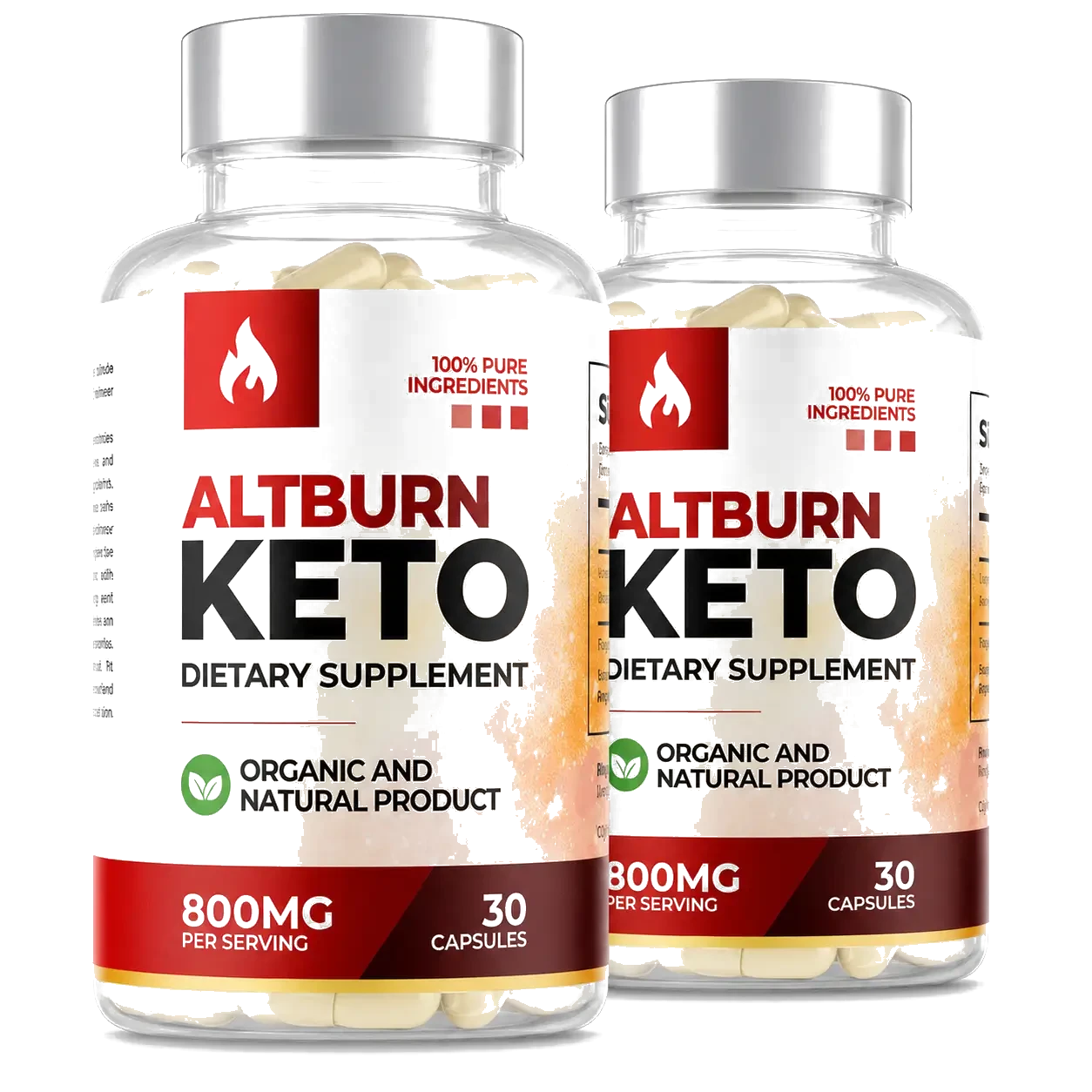
Keto supplements sit under Australia's therapeutic goods rules, which means the label and the register matter. This guide explains the system in plain terms and shows you how to check a product, including what we could and could not confirm about AltBurn Keto.
Anyone can put a keto capsule on a website, but only some products can lawfully be supplied to Australians. This guide explains how supplements are regulated here, what to look for on a label, what we could and could not confirm for AltBurn Keto, and how to check a product yourself. We do not say the product is illegal. We say what we could and could not confirm.
How Australia regulates supplements
In Australia, vitamins, minerals, herbal products and similar supplements are generally regulated as complementary medicines under the Therapeutic Goods Act 1989. The Therapeutic Goods Administration (TGA) is the regulator. According to the TGA's guidance, unless exempt, medicines must be entered on the Australian Register of Therapeutic Goods (ARTG) before they can legally be imported, exported, manufactured or supplied for use in Australia. Every ARTG entry belongs to a sponsor, which is the company responsible for applying for and maintaining that entry.
Most complementary medicines are "listed" medicines. The TGA describes these as lower-risk, non-prescription products that can only contain pre-approved low-risk ingredients and make low-level health claims. A listed medicine is not individually assessed by the TGA before it is sold. The sponsor self-certifies that it meets safety, quality and efficacy requirements, and the TGA can check any listed medicine on the market. Higher-risk products, such as those with higher-level claims or certain ingredients, are registered and assessed in full.
What AUST L, AUST L(A) and AUST R mean
| On the label | What it means | Assessed by the TGA before sale? |
|---|---|---|
| AUST L | Listed medicine, low-risk ingredients, low-level indications from approved lists | No. The sponsor self-certifies. |
| AUST L(A) | Assessed listed medicine, can make higher "intermediate" claims | The evidence for the claims is assessed |
| AUST R | Registered medicine, higher risk or higher-level claims | Yes, full evaluation |
| No number | Could be an exempt product, or not on the register | Cannot tell from the label alone |
The TGA says the ARTG number is displayed on the front label of the medicine. An "AUST L" number does not mean the TGA has tested the product or confirmed that it works. It means the product has an entry on the register and the sponsor has certified it meets requirements.
How to check a product in five minutes
- Find the number. Look on the front label for AUST L, AUST L(A) or AUST R followed by digits. On a website, look near the product description or in the footer.
- Search the ARTG. The TGA's ARTG search lets you search by name, ID or sponsor. Results show the product name, formulation, sponsor and manufacturer details.
- Compare the details. The product name, ingredients and sponsor on the register should match what you are being sold.
- Compare the claims. Listed medicines can only make low-level claims. Strong promises on a sales page that go well beyond the label are worth questioning.
- If there is no number, ask in writing. Email the seller, ask for the ARTG number or the legal basis for supply, and keep a screenshot of the sales page as it was when you looked.
What we could and could not verify for AltBurn Keto
- No AUST L or AUST R number visible. We did not see an ARTG number on the pages we reviewed.
- A name search found nothing. On 12 October 2026 we searched the public ARTG search page for "altburn", "altburn keto" and "glow supplements" (the business name in the seller's checkout footer) and it returned no matching results. A product can be listed under a different name or sponsor, so this does not settle the question, and we cannot say what the product's status is.
- The seller's notice names other regulators. The seller's own notice says the product has not been evaluated by the FDA or EMA. It does not mention the TGA.
- Ingredient doses are not disclosed. The seller lists a proprietary blend of 800 mg per serving containing BHB salts, green tea leaf extract and apple cider vinegar without per-ingredient amounts. See our ingredients guide.
- No lab report or certificate. The seller says it uses a GMP-certified facility, but we saw no certificate.
- Company identity is unclear. The checkout footer names Glow Supplements and lists a Queensland address. We could not confirm the company behind the product or where it ships from.
Local seller, or buying from overseas?
If a product is sold by a company in Australia, that company is expected to be the sponsor of an ARTG entry. If it is shipped from overseas, the TGA describes a Personal Importation Scheme that lets individuals import therapeutic goods that are not on the ARTG, provided conditions are met. Under the TGA's description, the goods must be for you or an immediate family member and cannot be sold or supplied to anyone else. The import cannot be more than a three-month supply at the dose recommended by the manufacturer for a non-prescription product, and the total imported in any 12-month period must not exceed a 15-month supply. The products must be in their original packaging or packaging that allows them to be identified, and the import cannot include controlled substances or anything prohibited under Customs or quarantine rules. The TGA also says counterfeit medicines are prohibited, and that if an import does not meet the conditions the goods may be seized and you can lose both the goods and the money you paid.
To put that three-month rule in context, at the seller's directions of two capsules a day a bottle lasts 15 days, so three months is about six bottles. The seller's five-bottle pack would be around 75 days. We do not know whether AltBurn ships from overseas, so we are not saying the scheme applies. We are showing why it matters where your parcel comes from, and why you should ask.
What sellers can and cannot say
The TGA's Therapeutic Goods Advertising Code 2021 sets the standards for advertising therapeutic goods to the public. The TGA says its requirements depend on the type of product, what it contains, how it works and what the advertiser says about it, and that some therapeutic goods are prohibited from being advertised to the public at all. The TGA also publishes specialised guidance, for instance on social media advertising and on weight loss injections. We are not lawyers and we are not saying any particular AltBurn wording breaches the Code. If you think an advertisement for a supplement or any therapeutic good does not comply, the TGA has an online form to report it.
The Australian Consumer Law applies on top of that. The ACCC says it is against the law for businesses to mislead consumers about their consumer rights, and that consumer guarantees, such as acceptable quality and matching the description, cannot be taken away by a seller's terms. See our guide on price, shipping and refund for how that works in practice.
How to report a concern
- Advertising you think is non-compliant: report it to the TGA using its online portal for non-compliant advertising.
- A suspected side effect: report it to the TGA through its adverse event reporting page for consumers, and see your GP or pharmacist.
- Suspicious or illegal activity: the TGA has a "report a breach" form for suspected illegal activity and counterfeit products.
- Misleading online selling or a suspected scam: report to the ACCC or Scamwatch.
Bottom line
We could not confirm AltBurn Keto's ARTG status, and a name search on the public register found no match, but that is a statement about what we could confirm, not a finding about the product. If you want to buy a keto supplement, the safest move is to ask the seller for an ARTG number in writing, check it on the TGA register yourself and be wary of sales pages that lean on urgency. For safety questions about taking it, see our side effects guide and speak to your pharmacist.
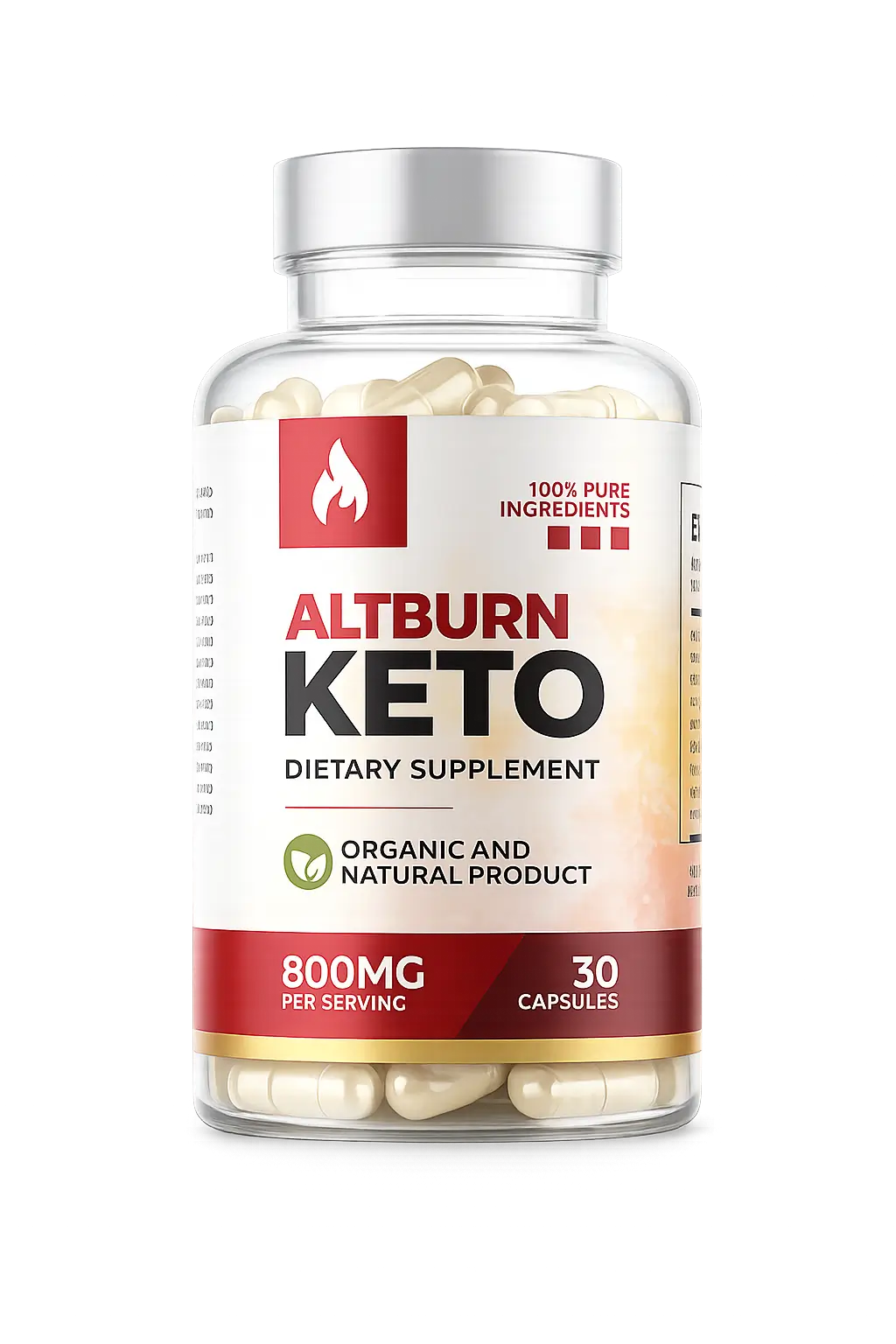
Ask the seller for an ARTG number first
Go to the seller's website Opens the seller's website in a new tab. Prices and availability are set by the seller and can change. The seller offers a 60-day guarantee under its own terms. Check the auto-refill box at checkout before you pay.Frequently asked questions
Are keto supplements legal in Australia?
Many are, if the product is on the Australian Register of Therapeutic Goods or is otherwise lawfully supplied. The TGA says that, unless exempt, medicines must be on the ARTG before they can be supplied for use in Australia.
What does AUST L mean on a supplement label?
AUST L means the product is a listed medicine on the ARTG, made with low-risk ingredients and making low-level claims. The sponsor self-certifies compliance, and the TGA does not individually assess it before sale.
How do I check if a supplement is on the ARTG?
Find the AUST L or AUST R number on the label, then search the ARTG on tga.gov.au by name, ID or sponsor and check that the name, ingredients and sponsor match.
Is AltBurn Keto on the ARTG?
We could not confirm it. We saw no AUST L number on the pages we reviewed, and a name search of the public ARTG on 12 October 2026 found no match. It might be listed under another name or sponsor, so ask the seller for the number in writing.
Can I import supplements from overseas for myself?
The TGA's Personal Importation Scheme allows individuals to import goods not on the ARTG for personal or immediate family use if conditions are met, including a maximum of a three-month supply and original packaging. Non-compliant imports can be seized.
Where can I report a supplement or an advertisement?
Use the TGA's online portal to report non-compliant advertising, its adverse event page for side effects, and the ACCC or Scamwatch for misleading selling or suspected scams.
Related guides
Sources and further reading
- TGA: Listed medicines
- TGA: Understanding listed and registered complementary medicine regulation
- TGA: Australian Register of Therapeutic Goods (ARTG) search
- TGA: Personal Importation Scheme
- TGA: Advertising
- TGA: Report non-compliant advertising
Last reviewed 12 October 2026. This guide is general information. It is not medical advice and it has not been evaluated by the TGA. Talk to your GP, pharmacist or an Accredited Practising Dietitian about your own situation.